
Origin
Why we started Starseer.
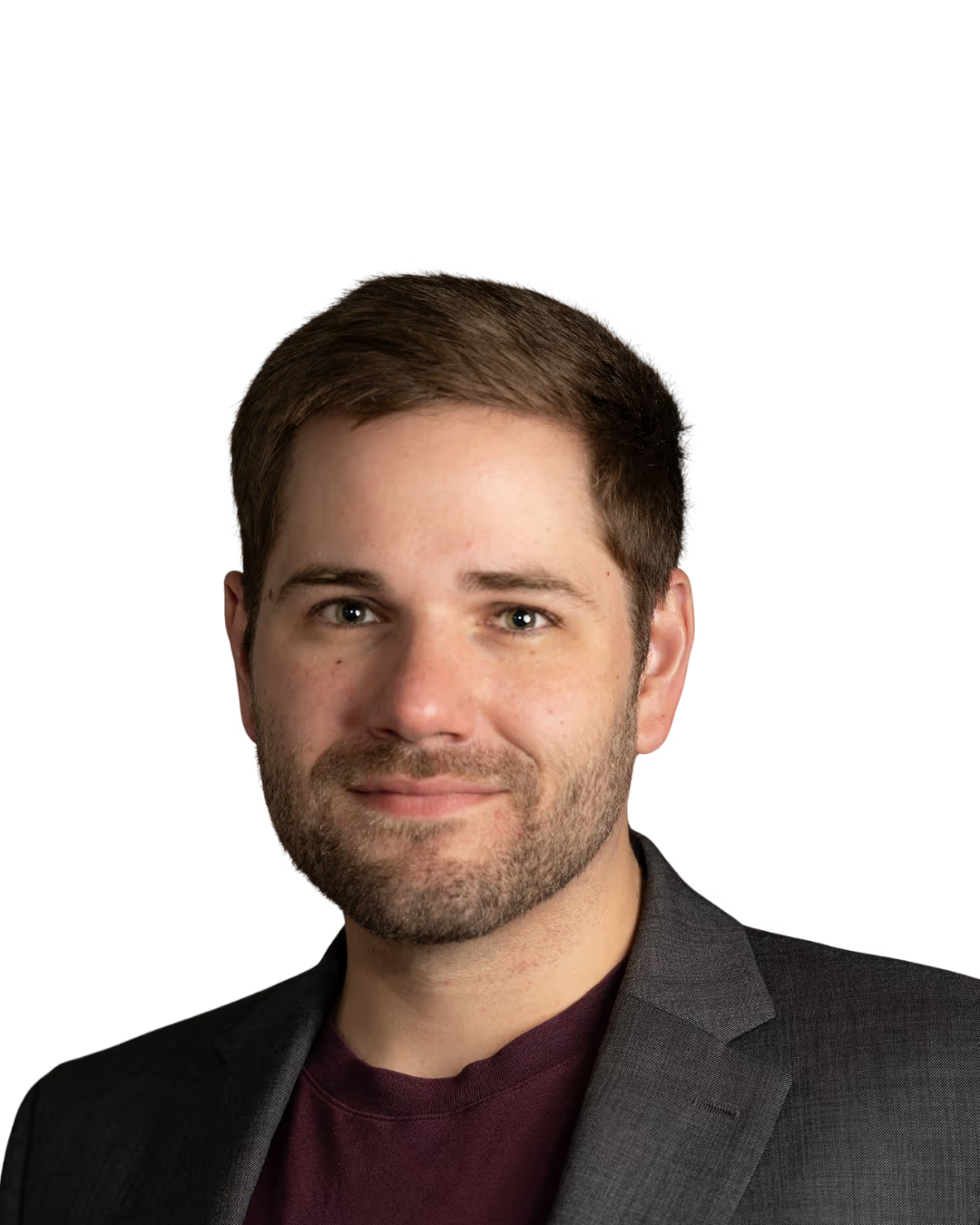
Tim Schulz
CEO and Co-founder
01
The tabletop exercise
The moment it clicked for me was during a tabletop exercise between security teams and AI teams. We were walking through an incident response scenario, and the AI teams hit a wall that was immediately obvious to every security person in the room: they had never thought of themselves as adversary targets.
If something went wrong with a model, it was an engineering problem. Not someone messing with their stuff.
02
Then the security teams hit their own wall
They got the adversary part instinctively. But everything they knew how to investigate assumed firewall logs, net flow, endpoint telemetry. When the conversation turned to "okay, so what does incident response actually look like here?" the answer was: we have API logs. That's it.
"We’re searching for a needle in a haystack and we don’t even know what the needle looks like."
03
Looking for the AI equivalent of Sysmon
I went looking for the AI equivalent of Sysmon or EDR telemetry and found mechanistic interpretability, a field pioneered by teams at Anthropic, Google DeepMind, and academia that analyzes what's happening inside a model's layers and activations, not just its outputs.
The challenge: most research is fragmented and hard to reproduce, with teams repeatedly reinventing setups and focusing narrowly on single models instead of scaling insights across architectures.
04
It was never an AI problem
That's when it clicked: this isn't an AI problem, it's a tooling problem. Security has long specialized in reverse-engineering black boxes; we just needed to bring that discipline to AI and build instrumentation that works at scale, across models, and repeatably.
"A familiar problem lacking the right tradecraft."
05
So we built it
I brought the idea to Carl, whose background in reverse engineering and zero-day research immediately validated it. So we built Starseer: a platform grounded in AI interpretability, delivering model-level runtime detection and response, AI-native detection engineering, and pre-deployment model scanning.
One mission
Make AI systems interpretable and secure from the inside out.
The team
The people building this.
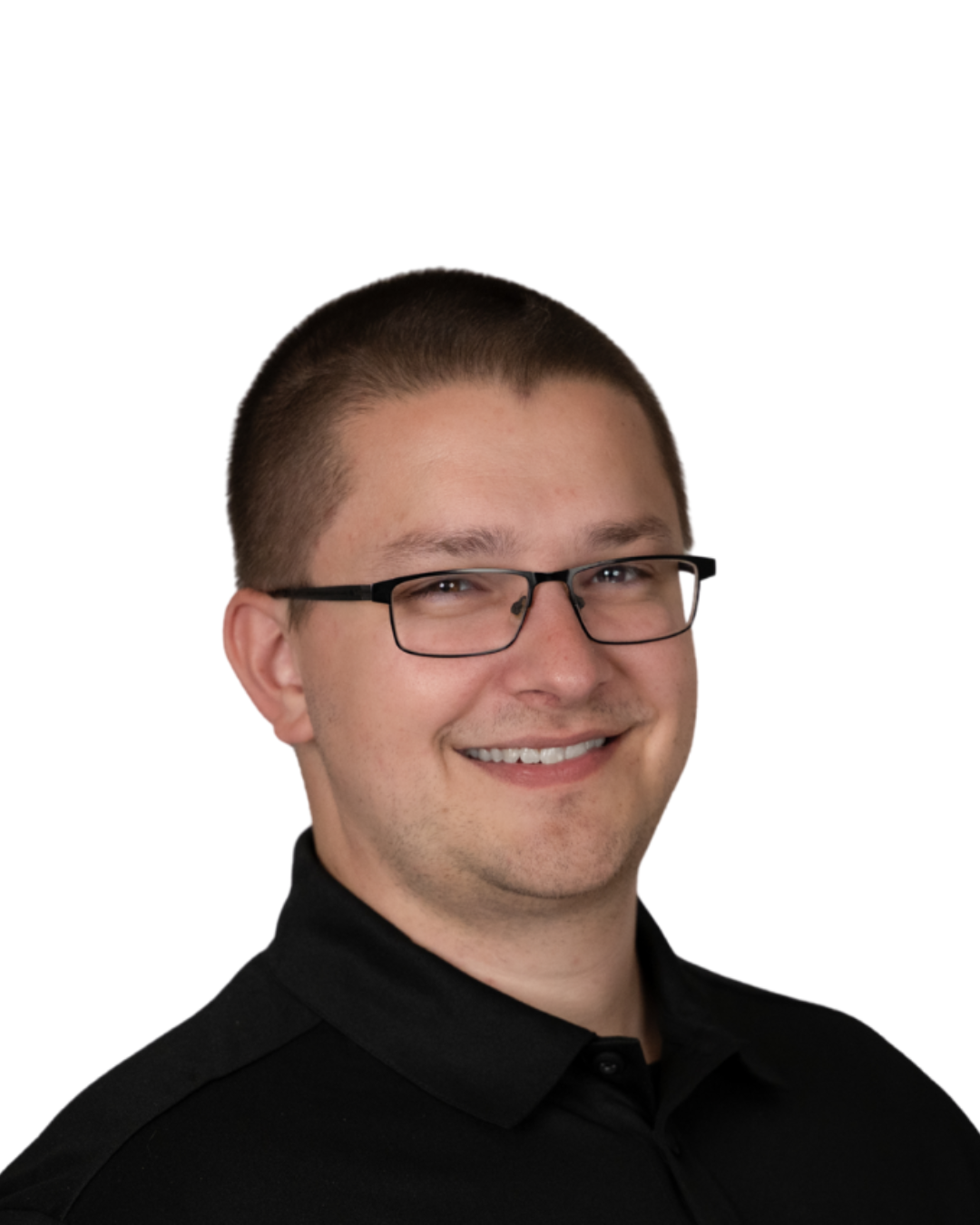
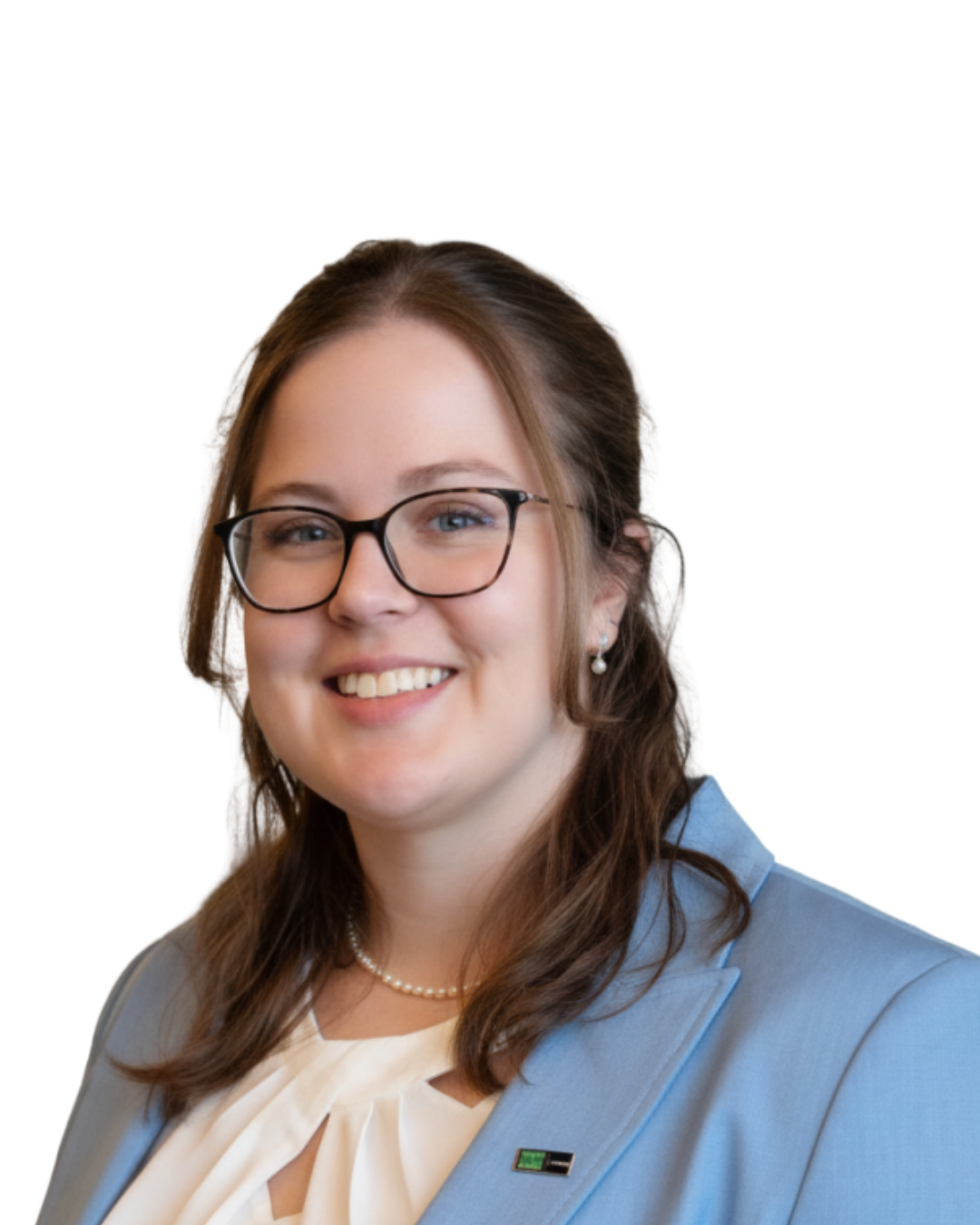
Security practitioners, national lab researchers, AI researchers, and engineers who've seen the gap firsthand, and decided to close it.


.png)
We're hiring →
Join us in making AI systems interpretable and secure from the inside out.
Contact usAdvisors
Shaped by people who've been there.
Our advisors bring deep backgrounds across AI safety research, enterprise security, and federal threat intelligence, the three domains Starseer sits at the intersection of.
Strategic advisor
.png)
Strategic advisor
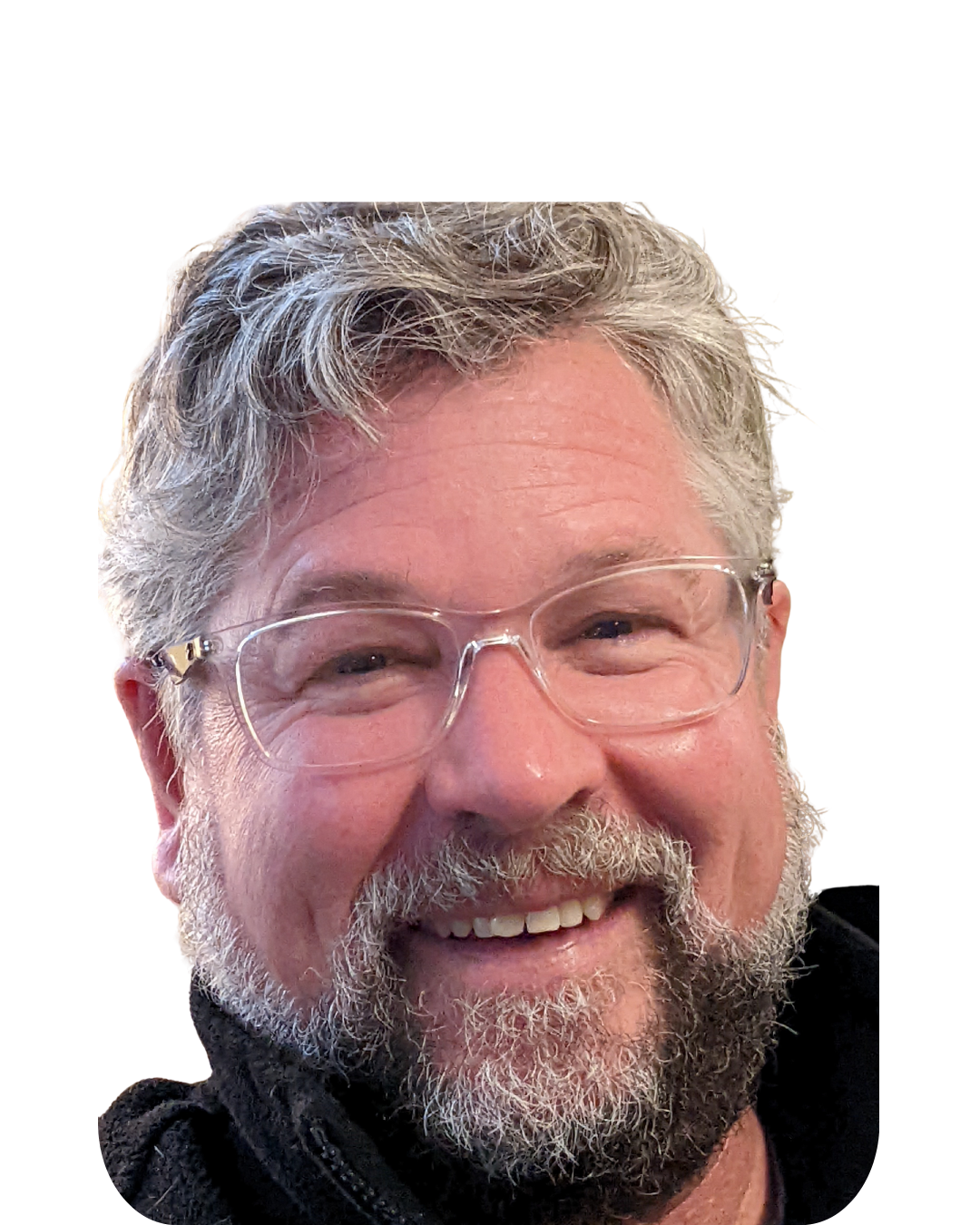
Dr. Gary McGraw
Co-founder, Berryville Institute of Machine Learning
Backed by
We raised from investors with conviction in AI security as a category, not just AI as a category.